
Best Probiotics For Psoriasis
Psoriasis is among the most common skin disorders, affecting about 125 million people globally. [1]

And contrary to public perception, it is not just a cosmetic problem but can significantly impact your quality of life. People with this skin condition also face a higher risk of other health problems like cardiovascular disease, strokes, and even heart attacks.
What makes psoriasis such a serious disease is that it has no permanent cure. But fortunately, regular treatment can help alleviate its symptoms and lower the risk of other diseases. And one of the most effective treatment methods is to increase the intake of probiotics.
Probiotics are good bacteria that can help reduce harmful bacteria in the body and maintain a proper balance, which is crucial for providing relief and improving your skin health.
Since finding good quality probiotics is not easy, we decided to put together this guide to help you out. So, check it out now!
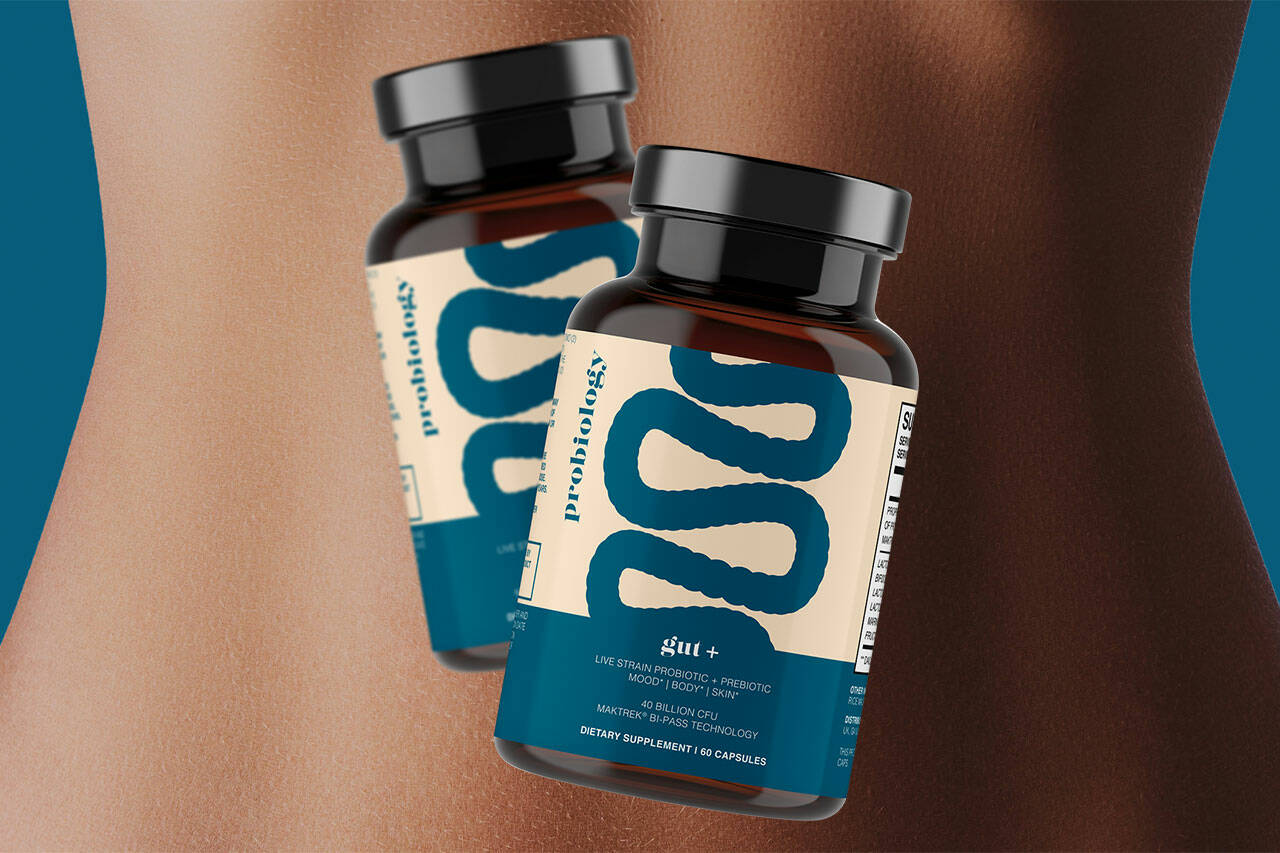
Introducing the latest probiotics + prebiotics formula that provides 250 times better survival rate than standard probiotics for more gut health benefits, including:
How Does Psoriasis Occur?
Psoriasis is a skin condition that occurs when the body starts producing skin cells much more quickly than they are normally produced. While the exact cause behind this requires further research, the available evidence [2] indicates that the problem may be related to the immune system.
This is because the cells responsible for preventing infections start attacking the healthy skin cells of the body, causing it to produce more cells. These new skin cells are produced in the deepest layer of the skin, which is why the first symptoms appear as small red bumps on the body.
Gradually, these bumps develop into red patches with a scaly, silvery coating and are then known as plaques. The most common areas where plaques appear include the elbows, knees, and lower back, and can last for months without treatment.
Psoriasis And Gut Health
The human body contains about 100 trillion microbes [3], collectively known as human microbiota, which are vital for maintaining a healthy system. These microbes perform multiple functions such as fighting off infections, ensuring optimal functioning of the immune system and aiding in digestion. They can even affect psychological processes such as altering the mood.
According to recent medical studies [4], an imbalance of bacteria in the gut, called gastrointestinal dysbiosis, can lead to inflammatory diseases like psoriasis. Similarly, tests [5] on people with psoriasis have shown that they have lesser microbiota diversity in their system.
Furthermore, imbalances in the number of beneficial gut microbes in the human body often lead to other health problems, like irritable bowel syndrome [6].
Since psoriasis is linked with abnormal immune system functioning, it also affects the intestinal barrier. This barrier is responsible for preventing harmful materials like toxins from entering the bloodstream. When it does not function properly, this condition is known as leaky gut syndrome [7] and often accompanies diseases like psoriasis and inflammatory bowel disease.
Psoriasis Symptoms
The most common symptoms of psoriasis include:
- A patchy rash that may differ in appearance from person to person
- Rashes varying in color from purple on brown skin to red on white skin
- Small scaling spots (generally common in children)
- Cracked, dry skin that may bleed
- Soreness, itching, or burning
- Cyclic rashes that occur every few months before subsiding
Types Of Psoriasis
Psoriasis may take different forms, each with its own symptoms.
1. Plaque Psoriasis
This is the most common type of psoriasis, with symptoms including itchy, dry skin patches that are covered with scales. These plaques generally appear on the scalp, elbows, knees, and back and can vary in color depending on the skin conditions. However, the affected areas can heal with a temporary color change.
2. Nail Psoriasis
Psoriasis can affect the nails of the fingers and toes, causing abnormal growth, discoloration, and pitting. In such cases, the affected nail can even detach from the nail bed, known as onycholysis [8] or it may even crumble in case of a severe condition.
3. Guttate Psoriasis
This type of psoriasis is more common in children and young adults and is generally caused by bacterial infections like strep throat. Its symptoms include the appearance of small, drop-shaped, scaling spots on the arms and legs.
4. Inverse Psoriasis
Inverse psoriasis can occur due to fungal infections and affects the skin folds of the breasts, buttocks, and groin, causing smooth patches of inflamed skin. These areas can worsen with friction and sweating.
5. Pustular Psoriasis
This rare type of psoriasis causes pus-filled blisters, which can occur in small areas such as the soles or palms or in widespread patches.
6. Erythrodermic Psoriasis
Erythrodermic Psoriasis is the rarest type of psoriasis and results in the body getting covered with a peeling rash that tends to burn or itch intensely. It may either be acute (short-lived) or chronic.
Probiotics And Psoriasis
In simple terms, probiotics are microorganisms present in different foods that can help improve the balance of microbes in the body. These microbes are also responsible for controlling inflammation by stimulating the cells responsible and can be highly beneficial in suppressing psoriasis symptoms.
Some foods that are rich sources of probiotics include yogurt, kefir, tempeh, kombucha, and sauerkraut.
However, most people depend on supplements to increase their probiotics intake, which may be available in different forms such as capsules, powders, and liquids. Probiotics that are known to be beneficial in controlling the symptoms of psoriasis often include Lacticaseibacillus paracasei, Limosilactobacillus reuteri, Bifidobacterium breve, and Bifidobacteria infantis.
However, it is extremely difficult to find probiotics with a specific strain of bacteria, so a better and easier method is to add beneficial bacteria to food. This can be done through topical probiotics or oral probiotics, depending upon personal preferences. That said, due to varying physiologies, supplements can have different effects on different people, so you should consult a physician before taking them.
Which Probiotics Are Best For Psoriasis?
Finding the most suitable probiotics for psoriasis is not easy, but here are some options that can help you out.
1. Physician’s Choice Probiotic
The Physician’s Choice Probiotic contains ten probiotic strains, with seven species known to provide relief. It also contains a prebiotic fiber blend of chicory root [9], Acacia senegal [10], and Jerusalem artichoke root. Plus, there are 60 billion CFUs (colony forming units) in each capsule.
2. Bio-Kult Advanced Probiotic Supplement
Another excellent option that can help treat psoriasis is the Bio-Kult Advanced Probiotic Supplement, which contains 14 strains with 9 species helping alleviate the symptoms. It contains two billion CFUs per capsule.
3. Maryruth’s Turmeric Complex With Probiotics
Besides having three probiotic strains, this supplement contains 144 mg of anti-inflammatory turmeric [11] and 62 billion CFUs per serving. Turmeric can be highly beneficial in improving bacterial diversity in the gut.
4. Golive Probiotics And Prebiotics
This powder supplement can be dissolved in water or other beverages for easier consumption. There are 15 probiotic strains present in it and 15 billion CFUs for treating psoriasis. Plus, it contains vitamin D, calcium, and other beneficial prebiotics.
5. Maryruth’s Organic Liquid Probiotic
This is a flavorless probiotic liquid that can be added to drinks and smoothies, and each serving contains ten million CFUs and 12 different strains. It is also one of the few probiotic supplements certified USDA organic and can help improve gut microbiota effectively.
6. Maryruth’s Topical Probiotic Spray
You can apply this topical spray to your body and face as an effective probiotic treatment. This is another organic option from the Maryruth brand and contains seven probiotic strains, with 4 known to help in inflammatory skin diseases like psoriasis.
How Long Does It Take For Probiotics To Work For Psoriasis?
Generally, it takes about two to three weeks for most people to feel the benefits of probiotics. The main reason for this is because probiotic supplements require time to reduce the bad bacteria count, increase the good bacteria, and reduce skin inflammation. Each of these functions is an extensive and ongoing process and not a one-time job.
That is why you need to keep taking the supplements regularly for a significant period to experience any benefits. The body requires a considerable amount of probiotics without any breaks for increasing the count of beneficial probiotic bacteria and reducing harmful bacteria.
Similarly, these good bacteria require some time to help reduce inflammation since they work by reducing the number of lipopolysaccharides in the body to improve human health. This is the most important aspect which determines when you can experience the benefits of the supplement.
Hence, the results vary from person to person and may sometimes take longer than three weeks.
How To Clean The Gut For Psoriasis
Since it is known that certain foods can trigger an inflammatory response in people who have psoriasis, controlling your diet is the first step in dealing with the condition. Foods, especially those that are highly processed can activate the immune cells of the body, which starts attacking the healthy cells.
For instance, fatty foods can increase inflammation in body fat (adipose tissue) throughout the body. This is generally more common in fat or obese people and can increase the risk of psoriasis. To prevent that, cleaning the gut is the most important step you can take. And there are several ways to do that, such as:
1. Avoiding Certain Foods
Many foods that cause weight gain and lead to diseases like diabetes can also cause inflammation. That is why you should avoid certain categories of inflammatory foods to reduce the risk of psoriasis, such as alcohol, dairy, carbohydrates and saturated fats, and foods high in sugar. Also, people with chronic inflammatory disorders should avoid foods with gluten to prevent immune response.
2. Increasing Intake Of Beneficial Foods
While some foods can trigger inflammation, others can help reduce it. Having a balanced diet is generally an effective way to deal with chronic skin inflammation. It can help reduce the chances of flare-ups and make the symptoms less severe. Alternatively, you can follow a Mediterranean diet [12] for psoriatic arthritis, which can also reduce the risks of other diseases like cancer and diabetes.
The best foods you should consume for psoriasis treatment include plant-based proteins or lean proteins like tempeh, tofu, or fish. Fruits and vegetables are also good options, as are legumes, seeds and nuts, whole grains, and olive oil and can help increase the beneficial microbes in the body.
3. Using The Right Supplements
Many brands claim to provide products that can help reduce psoriasis symptoms. But the best probiotic supplements that can help improve the gut microbiome generally contain nutrients like vitamin D and fish oil. You can also consider options with anti-inflammatory nutrients like grape seed extract, rutin, and quercetin, which help regulate inflammation and improve skin health.
4. Exercising Regularly
Regular exercise is one of the best natural ways of reducing inflammation of the gut and other parts that can lead to psoriasis. Dietary changes and increased physical activity can help reduce the severity of psoriasis in obese and overweight patients.
However, this does not mean you need to spend multiple hours at the gym every day- your everyday routine should include more physical movement.
5. Getting Proper Sleep
It is common for psoriasis patients to suffer from sleep disturbances, which proves that sleep plays a crucial role in reducing psoriasis symptoms. A proper sleep-wake regime helps keep the gut functioning properly, automatically eliminating bad gut bacteria and increasing the count of beneficial ones.
Fix a proper time by which you should be in bed each night and get up at the same time every day to improve gut health.
Introducing the latest probiotics + prebiotics formula that provides 250 times better survival rate than standard probiotics for more gut health benefits, including:
Final Words
While skin disorders like psoriasis currently have no cure, evidence suggests that with proper treatment, patients can live a normal life. This includes using the proper probiotic supplements and making changes to the diet and lifestyle.
Avoiding certain foods while increasing the intake of others can help increase the quantity of probiotics in your body naturally. Plus, ensuring proper sleep and incorporating physical exercise in your daily routine can help improve gut health and reduce inflammation.
You can also depend on supplements to increase your probiotic intake, but in such cases, it is advisable to consult a physician before using them. This will ensure that the supplements are safe and suitable for your requirements.
References
[1] https://www.psoriasis.org/psoriasis-statistics/
[2] https://www.ncbi.nlm.nih.gov/pmc/articles/PMC6676248/
[3] https://www.ncbi.nlm.nih.gov/pmc/articles/PMC4056765/
[5] https://www.ncbi.nlm.nih.gov/pmc/articles/PMC4280348/
[6] https://www.ncbi.nlm.nih.gov/books/NBK534810/
[7] https://www.ncbi.nlm.nih.gov/pmc/articles/PMC6790068/
[8] https://www.ncbi.nlm.nih.gov/books/NBK559260/
[9] https://www.ncbi.nlm.nih.gov/pmc/articles/PMC8005178/