Hi Dondi, that is the best way to understand it, read it over so that it becomes more understandable.
However, in this last post I was just explaining what CD44 is. Such a little thing with a great big explanation, and if you want people to understand, you can't abbreviate it. Another reason for the detailed explanation is to offer you an explanation of the medical
evidence that is known concerning Grovers.
The previous post is showing what a CD44 marker is, and its presence in biopsies shows that it is there because it is a cell involved in holding the proteins which make up the prickle cell layer of the epidermis together. Ancantholysis is the seperating of these cells and the loss of the cohesion molecules in this condition. (and some others like my own.)
that one thing can trigger another as a response to a immune response,or stress?
No I'm afraid that isn't right Dondi. Severe stress can exascerbate an already existing condition.
When the skin is damaged, or when invaders manage to enter the body, cells are destroyed, and the dying cells trigger an immune response to the invasion, which is inflammation. The inflammation also causes blood vessels to dilate, increasing the blood flow.
Inflammation is the body's alarm bell. Once it goes off, it draws defensive cells to the damaged area in great numbers. Increased blood flow helps defensive cells reach the place where they're needed quickly, and it also accounts for the redness and swelling which ensues. This helps isolate the foreign substance from further contact with body tissues.
These barriers form the body's first line of defense. The next line of defense involves white blood cells that travel through the bloodstream and into tissues, searching for, and attacking micro-organisms and other invaders.
The cells which make up the immune system (body's defence system) each have a specific job to do. In order to do that job they each need a signal from another specific cell in order to be activated. I am explaining that at the simplest level, there is much more to it as each cell has a different function. That is what I was refering to in saying each cell acts upon another to make the defence response efficient. If the body is invaded by a virus or whatever, it is met first by the complement system. These cells act quickly and are deadly. They mark the invaders to pin point them for destruction, and quickly activate other cells to finish off the job. If you carry a genetic
predisposition to having a hypersensitivity to something, Be it an "out of the body" factor (exogenous) or something of *self* like hormones, and other gland/cell secretions, (endogenous) then if you come into contact with this factor,
in a specific combination of (multigenous factors/factors not of the body, and factors of the body), then because you carry the predisposition it can trigger this hypersensitivity, and then an adverse immune response will occur, and within that response, the resulting malfunctioning cells of the immune system will target certain proteins in certain areas of skin, or organs or blood etc. the result of which is the disease which you have.
That link I left to my blog explains it really simply. You may not understand it all but you will certainly get the "gist" of it, and most you will understand anyway.
With regard to your biopsy, I explained Acantholysis dyskeratosis previously in the first post. However,
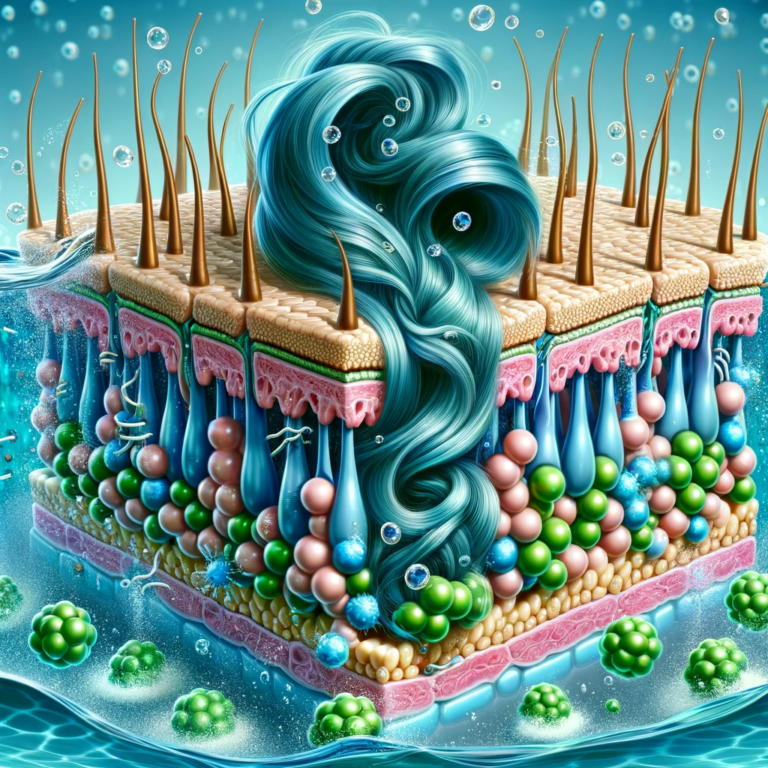
Spongiosis, means oedema between (intercellular) the cells (Keratinocytes) of the epidermis. (caused by the loss of cohesion molecules,(Desmosomes) which produces acantholysis (seperating of the proteins in the epidermis) The resulting spaces inbetween the cells fill with an abnormal accumulation of fluid in the tissues , causing swelling.
Superficial Perivascular mixed inflammatory cell infilitrate, is when inflammatory cells are clustered around blood vessels. Usually if it says superficial, then the blood vessels of the dermis are not involved. Obviously in superficial and deep , all are affected. I presume by the use of the word "mixed" it is refering to mixed inflammatory cells, such as neutrophils and eosinophils basophils, and mast cells , all of which contribute to inflammation. (see my blog to learn what these are and their function.) I have not heard of autoeosinophils before to be honest. Do you think Dondi he may have said "autoantibody IgE" instead? Unless they have been produced within an
autoimmune response, which would explain that, however I understand the jury is still out as to whether or not Grovers is in fact an autoimmune disease. After reading every post on here it seems that it possibly is! I can see symptoms typical of autoimmunity in every post.
Eosinophils, Basophils. and Mast cells are Granulocytes, granule-containing cells in tissue.
Eosinophils are so named because their cytoplasmic granules stain red with the dye eosin. (You know Like the stuff you can put on wounds) They are also known as eosinophilic leukocytes.
Eosinophil granulocytes, usually called eosinophils (or, less commonly, acidophils), are white blood cells of the immune system that are responsible for combating infection and parasites .
They also control mechanisms associated with allergy and asthma. They are granulocytes that develop in the bone marrow before migrating into blood.
Within their cellular cytoplasm are a diverse collection of chemical mediators, such as histamine, and proteins such as eosinophil peroxidase, RNase, DNases, lipase, plasminogen, and Major Basic Protein.These mediators are released by a process called degranulation, following activation of the eosinophil, and are toxic to both parasite
and host tissues. They are found in the medulla and the junction between the cortex and medulla of the thymus and, in the lower gastrointestinal tract, ovary, uterus, and spleen, and lymph nodes, but not in the lung, skin or oesophagus, or some other internal organs under normal conditions.
The presence of eosinophils in these latter organs is associated with disease. Eosinophils persist in the circulation for 8-12 hours, and can survive in tissue for an additional 8-12 days in the absence of stimulation.
See where I have altered your quote below...
I do understand that basically grovers seems to be a disease where the skin cells do seperate
and of course they shouldn't. Sorry Dondi,
AtopyAtopy is an inherited predisposition which causes a tendency to suffer from one or more of the following “atopic diseases” such as: allergic asthma, allergic rhino-conjunctivitis and atopic dermatitis. The diagnosis of “atopy” is not based on one single distinctive clinical feature or laboratory test, but rather results from a combination of patient and family history and clinical findings.
Grovers stems from....
a genetic predisposition in your DNA, predisposing you to atopy,
which if stimulated, results in an abnormal immune response,
the pathogenic result of which in you,
causes the cells, (desmosomes)
which hold together the cells of the epidermis, known as (keratinocytes)
to come apart,( Acantholysis)
filling with fluid, and causing oedema in the tissue.(Spongiosis)
there is abnormal, premature, or imperfect keratinization of the keratinocytes (dyskeratosis),
and it also affects some cases by targeting the acrosyringium of the eccrine coil in sweat glands, and causing acantholysis and acrosyringium dysfunction. (a dysfunctioning sweat gland ) I hope this helps your understanding Dondi.
Bunnie